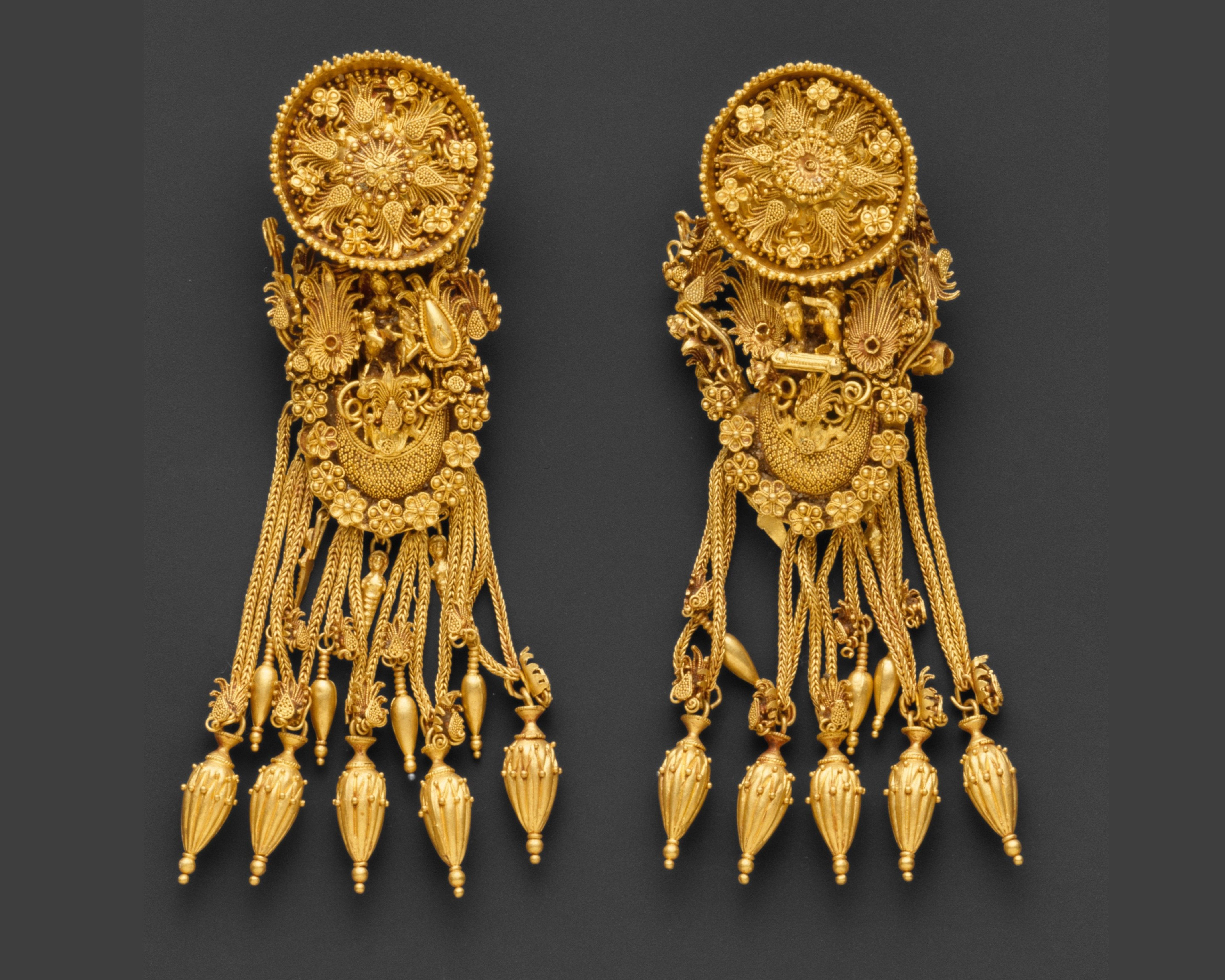
After seeing The Odyssey, I had flashbacks to the 1994 exhibition, Greek Gold: Jewelry of the Classical World, at The Metropolitan Museum of Art. Director Christopher Nolan’s depiction of the epic poem got me thinking about the day when I stood awestruck in front of vitrine after vitrine of gold masterworks from thousands of years ago.
The otherworldliness of the jewelry made me believe, if only for a second, there must’ve been gods on Mount Olympus. To quote the opening title card in The Odyssey movie, it felt like it was made in “a time of apparent magic.” The importance of jewelry to culture was clear.
Roberta Smith said in her New York Times review of Greek Gold, which featured 200 pieces and was a collaboration between The Met, The British Museum and The Hermitage, “This beautiful exhibition, as seductive as it is esoteric, adds a substantial chapter to the general understanding of one of civilization’s most widely revered periods.”
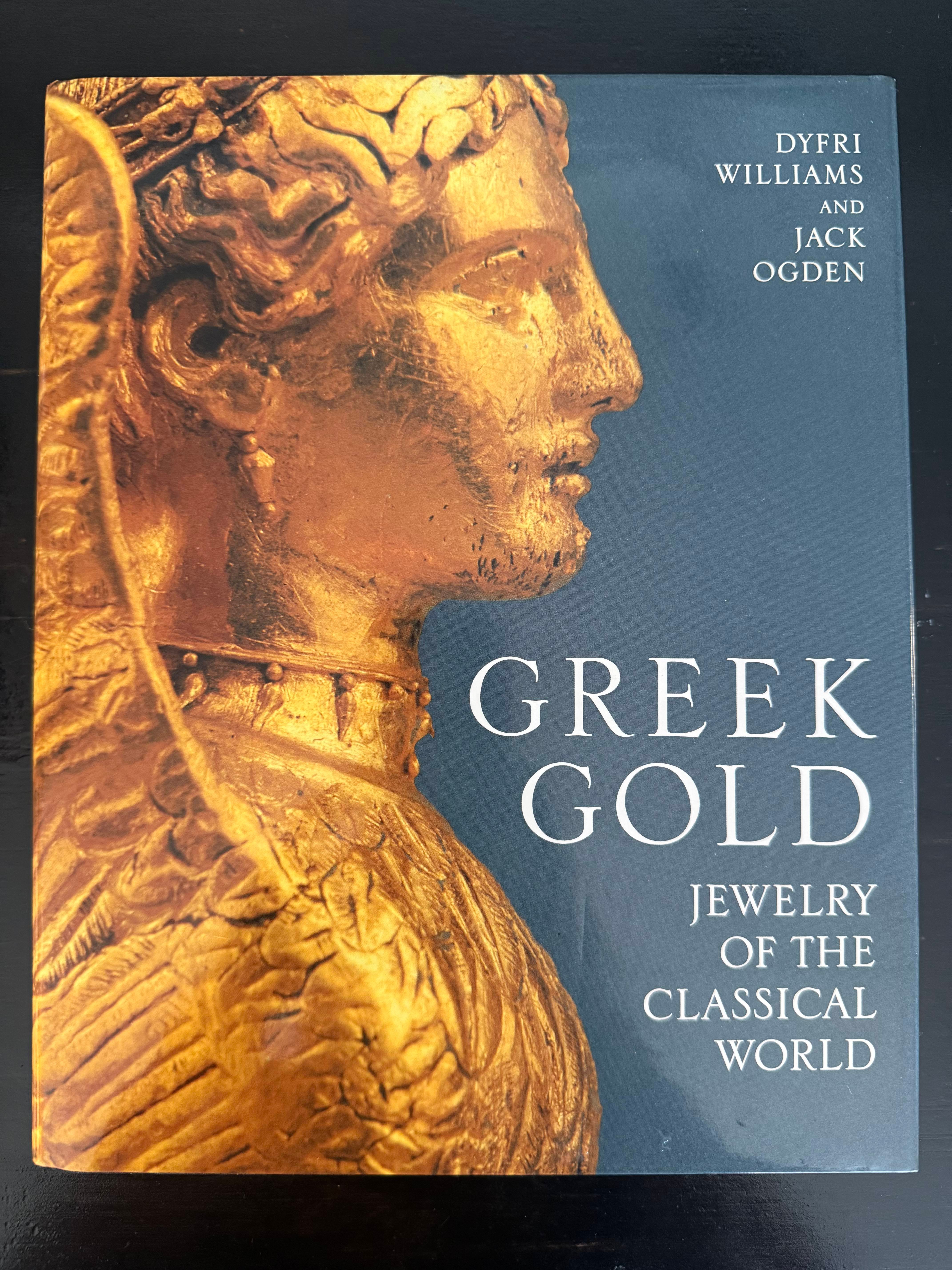
I saw the exhibit with my colleague and co-author Penny Proddow on a day when the museum was closed to the general public and we had the space practically to ourselves, which added to the impact. Penny was an extraordinary jewelry historian and an equally talented Classicist.
She taught the Classics through art at The Met for decades and knew every god and myth depicted in the gold jewelry on sight. Penny would’ve loved the new adaptation of The Odyssey in which a couple of jewels advance the plot. And I will be reviewing the film from a jewelry perspective in a separate post.
First, I wanted to recap the main elements of jewelry from the classical world and the Archeological Revival treasures that brought the style back into the jewelry vocabulary in the 19th century. Finally, I have listed a few of the many contemporary jewelry designers, the Neo Classicists, who have riffed on the work of ancient Greeks.